Buy immersio.eu ?
We are moving the project
immersio.eu .
Are you interested in purchasing the domain
immersio.eu ?
domain@kv-gmbh.de · 0541-91531010
Buy immersio.eu ?
What is the difference between a primary sensory cell, a secondary sensory cell, and a sensory nerve cell?
Primary sensory cells are specialized cells that directly detect stimuli from the environment, such as light, sound, or touch. Secondary sensory cells receive signals from primary sensory cells and transmit them to the central nervous system. Sensory nerve cells, also known as sensory neurons, are responsible for transmitting the signals from secondary sensory cells to the brain, where they are processed and interpreted. In summary, primary sensory cells detect stimuli, secondary sensory cells relay the signals, and sensory nerve cells transmit the signals to the brain for processing. **
Can you explain the olfactory sensory cell of an ant?
The olfactory sensory cell of an ant is a specialized cell located in the ant's antennae. These cells are responsible for detecting chemical signals in the environment, allowing the ant to sense food, pheromones, and potential threats. When a specific chemical binds to the receptors on the olfactory sensory cell, it triggers a signal that is sent to the ant's brain, allowing it to interpret and respond to the chemical stimulus. This highly sensitive and specialized system plays a crucial role in the ant's ability to communicate, forage for food, and navigate its environment. **


Similar search terms for Cell
Top-Angebote
Products related to Cell:
-
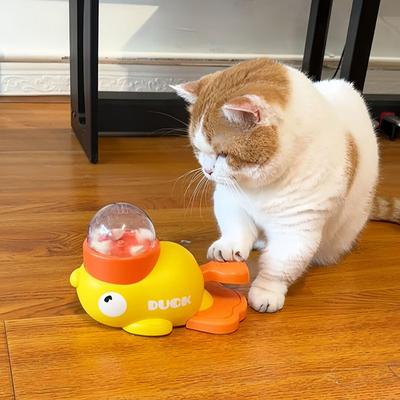
Friendly Fresh Finds Interactive Pet Puzzle Feeder For Cats And Dogs Engaging Freeze Dried Treat Dispenser For Pet Enrichment Interactive Pet Puzzle Feeder For Cats And Dogs Engaging Freeze Dried Treat Dispenser For Pet EnrichmentKeep your furry friends entertained and mentally stimulated with this interactive pet puzzle feeder. Perfect for both cats and dogs, this puzzle feeder turns mealtime into a fun, engaging experience. Designed for home use, it encourages your pets to...39,97 $*Shipping: 0,00 $Secure redirect to the provider


-
What is the difference between a sense and a sensory cell?
A sense is a physiological capacity of organisms that provides data for perception. It is a way of perceiving the world around us through our sensory organs. On the other hand, a sensory cell is a specialized cell that detects specific stimuli from the environment and converts them into signals that can be interpreted by the brain. Sensory cells are the building blocks of our senses, such as vision, hearing, taste, smell, and touch. **
-
How can one make a presentation engaging and interactive?
One can make a presentation engaging and interactive by incorporating multimedia elements such as videos, images, and interactive graphics to break up the monotony of slides. Additionally, incorporating audience participation through polls, Q&A sessions, and group activities can help keep the audience engaged and involved. Using storytelling and real-life examples can also make the presentation more relatable and interesting for the audience. Finally, incorporating humor and personal anecdotes can help to create a more engaging and interactive atmosphere. **
-
Does the daughter cell have the same cell type as the mother cell?
The daughter cell may or may not have the same cell type as the mother cell. During cell division, if the daughter cell undergoes differentiation, it may develop into a different cell type than the mother cell. However, if the daughter cell undergoes mitosis, it will be an exact copy of the mother cell and will have the same cell type. Therefore, whether the daughter cell has the same cell type as the mother cell depends on the specific context of the cell division process. **
-
What are the cell organelles in cell biology?
Cell organelles are specialized structures within a cell that perform specific functions. Some of the main organelles in cell biology include the nucleus, which houses the cell's genetic material; mitochondria, which are responsible for producing energy; the endoplasmic reticulum, involved in protein synthesis and lipid metabolism; Golgi apparatus, which processes and packages proteins; lysosomes, which contain enzymes for breaking down waste materials; and the cytoskeleton, which provides structure and support to the cell. Each organelle plays a crucial role in the overall functioning of the cell. **


How does each cell arise from another cell?
Each cell arises from another cell through the process of cell division. During cell division, a parent cell duplicates its genetic material and then divides into two daughter cells. This process can occur through either mitosis, which produces two identical daughter cells, or meiosis, which produces four daughter cells with half the genetic material of the parent cell. In both cases, the new cells inherit their genetic material from the parent cell and continue the cycle of growth and division. **
What are half-cell reactions and cell reactions?
Half-cell reactions are the individual chemical reactions that occur at each electrode in an electrochemical cell. In a half-cell reaction, electrons are either gained or lost, resulting in a change in oxidation state of the species involved. When two half-cell reactions are combined, they form a complete cell reaction, which describes the overall chemical process that occurs in the electrochemical cell. The cell reaction represents the overall flow of electrons and the transfer of species between the two half-cells. **
Top-Angebote
Products related to Cell:
-
PetsAreLife Interactive Floppy Fish Cat Toy Engaging Fishcat For Active Play BlueDo you find yourself holding a cat holding a fish on camera to capture every adorable moment If so, our Interactive Floppy Fish Cat Toy is perfect for you and your feline friend!Introducing the floppy fish cat toy, designed to keep your cat...24,97 $*Shipping: 0,00 $Secure redirect to the provider
-
DynamicDeals Stem Cell Serum Anti Aging Real Stem Cell Cultures Matrixyl 3000 Hyaluronic Acid Stem Cell Serum Anti Aging Real Stem Cell Cultures Matrixyl 3000 Hyaluronic AcidFeatures:Enriched With REAL Plant Stem Cell CulturesFights Environmental Aggressors, Boosts CollagenRepairs Cell Damage & Enhances Skins Own DefensePeptide Rich with Matrixyl 3000Description:Weve taken these fantastic antiaging skincare geniuses and...40,97 $*Shipping: 0,00 $Secure redirect to the provider
-
Friendly Fresh Finds Interactive Pet Puzzle Feeder For Cats And Dogs Engaging Freeze Dried Treat Dispenser For Pet Enrichment Interactive Pet Puzzle Feeder For Cats And Dogs Engaging Freeze Dried Treat Dispenser For Pet EnrichmentKeep your furry friends entertained and mentally stimulated with this interactive pet puzzle feeder. Perfect for both cats and dogs, this puzzle feeder turns mealtime into a fun, engaging experience. Designed for home use, it encourages your pets to...39,97 $*Shipping: 0,00 $Secure redirect to the provider
-
What is the difference between a primary sensory cell, a secondary sensory cell, and a sensory nerve cell?
Primary sensory cells are specialized cells that directly detect stimuli from the environment, such as light, sound, or touch. Secondary sensory cells receive signals from primary sensory cells and transmit them to the central nervous system. Sensory nerve cells, also known as sensory neurons, are responsible for transmitting the signals from secondary sensory cells to the brain, where they are processed and interpreted. In summary, primary sensory cells detect stimuli, secondary sensory cells relay the signals, and sensory nerve cells transmit the signals to the brain for processing. **
-
Can you explain the olfactory sensory cell of an ant?
The olfactory sensory cell of an ant is a specialized cell located in the ant's antennae. These cells are responsible for detecting chemical signals in the environment, allowing the ant to sense food, pheromones, and potential threats. When a specific chemical binds to the receptors on the olfactory sensory cell, it triggers a signal that is sent to the ant's brain, allowing it to interpret and respond to the chemical stimulus. This highly sensitive and specialized system plays a crucial role in the ant's ability to communicate, forage for food, and navigate its environment. **
-
What is the difference between a sense and a sensory cell?
A sense is a physiological capacity of organisms that provides data for perception. It is a way of perceiving the world around us through our sensory organs. On the other hand, a sensory cell is a specialized cell that detects specific stimuli from the environment and converts them into signals that can be interpreted by the brain. Sensory cells are the building blocks of our senses, such as vision, hearing, taste, smell, and touch. **
-
How can one make a presentation engaging and interactive?
One can make a presentation engaging and interactive by incorporating multimedia elements such as videos, images, and interactive graphics to break up the monotony of slides. Additionally, incorporating audience participation through polls, Q&A sessions, and group activities can help keep the audience engaged and involved. Using storytelling and real-life examples can also make the presentation more relatable and interesting for the audience. Finally, incorporating humor and personal anecdotes can help to create a more engaging and interactive atmosphere. **
Similar search terms for Cell
-
Uplift Essentials Spill Proof Interactive Water Sensory Cat Mat Spill Proof Interactive Water Sensory Cat MatBeat indoor boredom and awaken your cat's natural hunting instincts with a completely messfree aquatic adventure. This premium water sensory cat mat features an innovative doublelayer design that allows you to fill the inner core with water while...56,97 $*Shipping: 0,00 $Secure redirect to the provider
-
Inspired Deals Disney Bitzee Digital Pet Carrying Case, Hard Shell Storage Organizer For Interactive Virtual Pets Travel Safe Disney Bitzee Digital Pet Carrying Case, Hard Shell Storage Organizer For Interactive Virtual Pets Travel SafeFall in love with keeping your childs favorite digital companion safe and ready for every adventure. This digital pet storage case is thoughtfully designed for Bitzee and similar interactive toys, giving parents peace of mind and kids the freedom to...39,97 $*Shipping: 0,00 $Secure redirect to the provider
-
Does the daughter cell have the same cell type as the mother cell?
The daughter cell may or may not have the same cell type as the mother cell. During cell division, if the daughter cell undergoes differentiation, it may develop into a different cell type than the mother cell. However, if the daughter cell undergoes mitosis, it will be an exact copy of the mother cell and will have the same cell type. Therefore, whether the daughter cell has the same cell type as the mother cell depends on the specific context of the cell division process. **
-
What are the cell organelles in cell biology?
Cell organelles are specialized structures within a cell that perform specific functions. Some of the main organelles in cell biology include the nucleus, which houses the cell's genetic material; mitochondria, which are responsible for producing energy; the endoplasmic reticulum, involved in protein synthesis and lipid metabolism; Golgi apparatus, which processes and packages proteins; lysosomes, which contain enzymes for breaking down waste materials; and the cytoskeleton, which provides structure and support to the cell. Each organelle plays a crucial role in the overall functioning of the cell. **
-
How does each cell arise from another cell?
Each cell arises from another cell through the process of cell division. During cell division, a parent cell duplicates its genetic material and then divides into two daughter cells. This process can occur through either mitosis, which produces two identical daughter cells, or meiosis, which produces four daughter cells with half the genetic material of the parent cell. In both cases, the new cells inherit their genetic material from the parent cell and continue the cycle of growth and division. **
-
What are half-cell reactions and cell reactions?
Half-cell reactions are the individual chemical reactions that occur at each electrode in an electrochemical cell. In a half-cell reaction, electrons are either gained or lost, resulting in a change in oxidation state of the species involved. When two half-cell reactions are combined, they form a complete cell reaction, which describes the overall chemical process that occurs in the electrochemical cell. The cell reaction represents the overall flow of electrons and the transfer of species between the two half-cells. **
* All prices are inclusive of VAT and, if applicable, plus shipping costs. The offer information is based on the details provided by the respective shop and is updated through automated processes. Real-time updates do not occur, so deviations can occur in individual cases. ** Note: Parts of this content were created by AI.