Buy immersio.eu ?
We are moving the project
immersio.eu .
Are you interested in purchasing the domain
immersio.eu ?
domain@kv-gmbh.de · 0541-91531010
Buy immersio.eu ?
Are receptors sensory cells?
Receptors are not sensory cells themselves, but they are specialized proteins located on the surface of sensory cells. These receptors are responsible for detecting and responding to specific stimuli, such as light, sound, taste, or smell. When a receptor is activated by a stimulus, it triggers a series of biochemical reactions within the sensory cell, ultimately leading to the generation of a sensory signal that can be transmitted to the brain for processing. Therefore, while receptors are not sensory cells, they play a crucial role in the sensory process by detecting and transducing stimuli into neural signals. **
What are sensory nerve cells?
Sensory nerve cells, also known as sensory neurons, are specialized cells that transmit information from the body's sensory organs (such as the skin, eyes, ears, nose, and tongue) to the central nervous system. These cells are responsible for detecting various stimuli, such as touch, temperature, pain, and pressure, and converting these stimuli into electrical signals that can be interpreted by the brain. Sensory nerve cells play a crucial role in allowing us to perceive and respond to our environment. **


Similar search terms for Cells
Top-Angebote
Products related to Cells:
-
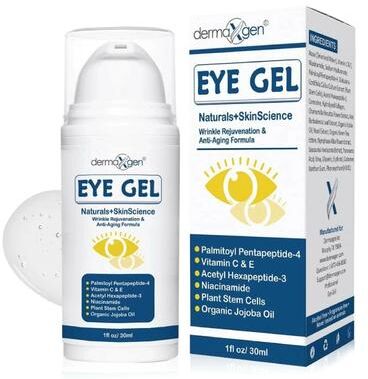
All Categories Goods Anti Aging Eye Gel With Matrixyl , Hyaluronic Acid & Plant Stem Cells Anti Aging Eye Gel With Matrixyl , Hyaluronic Acid & Plant Stem CellsLooking to reduce the appearance of dark circles, wrinkles, and puffiness around your eyes This antiaging eye gel is your goto solution. Powered by Matrixyl 3000, hyaluronic acid, and rejuvenating plant stem cells, this gel works wonders for...51,97 $*Shipping: 0,00 $Secure redirect to the provider
-
RYOR Cannabis Derma Care nourishing hemp cream with stem cells 50 mlRYOR Cannabis Derma Care, 50 ml, Moisturisers for Women, Don’t want to underestimate your skincare? Use a face cream every day – it’s a skincare staple that no beauty routine should do without, whatever your skin type and whatever your needs. The RYOR Cannabis Derma Care face cream boosts the skin’s natural function, helps keep it balanced and sufficiently hydrated and contributes towards a healthier look overall. Characteristics: regenerates and vitalises moisturises intensely makes skin fresh and bright nourishes deeply leaves the skin velvety smooth to the touch Ingredients: hyaluronic acid – binds large quantities of water and hydrates intensively argan oil – contains essential fatty acids and vitamins A, E and F, which prevent premature skin aging, provide hydration and nourishment, and act as a powerful antioxidant How to use: Apply to clean skin and massage in using circular movements. Use every morning and/or evening.11,70 £*Shipping: 3,99 £Secure redirect to the provider
-
Multicon Wholesale Hub Anti Aging Under Eye Cream Gel For Dark Circles & Wrinkles, With Hyaluronic Acid & Plant Stem Cells Anti Aging Under Eye Cream Gel For Dark Circles & Wrinkles, With Hyaluronic Acid & Plant Stem CellsTired eyes and wrinkles can make you feel older than you are. This undereye cream gel is designed to revitalize the delicate skin around your eyes. Packed with hyaluronic acid and nourishing plant stem cells, it combats dark circles, puffiness, and...69,97 $*Shipping: 0,00 $Secure redirect to the provider


-
What is the difference between primary and secondary sensory cells and sensory nerve cells?
Primary sensory cells are specialized cells that directly detect stimuli from the environment, such as light, sound, or touch. These cells are responsible for converting the physical stimuli into electrical signals that can be interpreted by the nervous system. Secondary sensory cells, on the other hand, receive signals from the primary sensory cells and help to process and transmit the information to the brain. Sensory nerve cells, also known as sensory neurons, are a type of nerve cell that transmits the signals from the sensory cells to the central nervous system. These cells play a crucial role in relaying information about the external environment to the brain, where it can be interpreted and acted upon. In summary, primary sensory cells directly detect stimuli, secondary sensory cells help process and transmit the information, and sensory nerve cells transmit the signals to the central nervous system. **
-
What are sensory cells, sensory organs, and senses?
Sensory cells are specialized cells that detect and respond to specific stimuli, such as light, sound, touch, taste, and smell. These cells are found in sensory organs, which are structures in the body that contain sensory cells and are responsible for detecting and transmitting sensory information to the brain. The senses, on the other hand, are the physiological capacities of organisms that provide data for perception. They include sight, hearing, touch, taste, and smell, and are essential for experiencing and interacting with the environment. **
-
What are adequate stimuli for sensory cells?
Adequate stimuli for sensory cells are the specific forms of energy or physical signals that can activate and excite the sensory receptors. For example, the adequate stimulus for photoreceptor cells in the eye is light, while the adequate stimulus for mechanoreceptor cells in the skin is mechanical pressure or vibration. Each type of sensory cell is specialized to respond to a particular type of stimulus, and their activation by the adequate stimulus is essential for the transmission of sensory information to the brain. **
-
What are heat and cold sensory cells?
Heat and cold sensory cells are specialized nerve cells that detect changes in temperature. These cells are located in the skin and other tissues throughout the body, and they send signals to the brain when they detect changes in temperature. Heat sensory cells, also known as thermoreceptors, are activated by increases in temperature, while cold sensory cells are activated by decreases in temperature. Together, these cells help the body maintain a stable internal temperature and respond to changes in the environment. **


What are nerve cells and sensory organs in biology?
Nerve cells, also known as neurons, are the basic building blocks of the nervous system. They are specialized cells that transmit information through electrical and chemical signals. Sensory organs are specialized structures in the body that detect and respond to external stimuli, such as light, sound, touch, taste, and smell. These organs include the eyes, ears, skin, tongue, and nose, and they play a crucial role in allowing organisms to perceive and interact with their environment. **
What is the function of sensory and nerve cells?
The function of sensory cells is to detect external stimuli such as light, sound, touch, taste, and smell, and convert them into electrical signals that can be interpreted by the nervous system. Nerve cells, or neurons, transmit these electrical signals throughout the body, allowing for communication between different parts of the body and enabling the body to respond to the stimuli. Together, sensory and nerve cells play a crucial role in allowing organisms to perceive and interact with their environment. **
Top-Angebote
Products related to Cells:
-
Delia Cosmetics Professional Face Care Stem Cells intense firming anti-wrinkle serum with stem cells for face, neck and chest 10 mlDelia Cosmetics Professional Face Care Stem Cells, 10 ml, Skin Serums for Women, Does it feel as though your skin needs something more than just the care provided by a cream? The Delia Cosmetics Professional Face Care Stem Cells facial serum is the perfect product to enrich your skincare routine – it pampers the skin and delivers an intensive treatment. With its high concentration of active ingredients, the effect it has on your skin is far more pronounced and faster than with a face cream. Its liquid consistency makes application easier, as it is absorbed into the skin very well. Characteristics: firms the facial contours helps to smooth out wrinkles and fine lines helps remove signs of skin ageing How to use: Dab an appropriate amount of the serum gently into clean skin with your fingertips. Apply to the face, neck and chest.3,60 £*Shipping: 3,99 £Secure redirect to the provider
-
All Categories Goods Anti Aging Eye Gel With Matrixyl , Hyaluronic Acid & Plant Stem Cells Anti Aging Eye Gel With Matrixyl , Hyaluronic Acid & Plant Stem CellsLooking to reduce the appearance of dark circles, wrinkles, and puffiness around your eyes This antiaging eye gel is your goto solution. Powered by Matrixyl 3000, hyaluronic acid, and rejuvenating plant stem cells, this gel works wonders for...51,97 $*Shipping: 0,00 $Secure redirect to the provider
-
RYOR Cannabis Derma Care nourishing hemp cream with stem cells 50 mlRYOR Cannabis Derma Care, 50 ml, Moisturisers for Women, Don’t want to underestimate your skincare? Use a face cream every day – it’s a skincare staple that no beauty routine should do without, whatever your skin type and whatever your needs. The RYOR Cannabis Derma Care face cream boosts the skin’s natural function, helps keep it balanced and sufficiently hydrated and contributes towards a healthier look overall. Characteristics: regenerates and vitalises moisturises intensely makes skin fresh and bright nourishes deeply leaves the skin velvety smooth to the touch Ingredients: hyaluronic acid – binds large quantities of water and hydrates intensively argan oil – contains essential fatty acids and vitamins A, E and F, which prevent premature skin aging, provide hydration and nourishment, and act as a powerful antioxidant How to use: Apply to clean skin and massage in using circular movements. Use every morning and/or evening.11,70 £*Shipping: 3,99 £Secure redirect to the provider
-
Are receptors sensory cells?
Receptors are not sensory cells themselves, but they are specialized proteins located on the surface of sensory cells. These receptors are responsible for detecting and responding to specific stimuli, such as light, sound, taste, or smell. When a receptor is activated by a stimulus, it triggers a series of biochemical reactions within the sensory cell, ultimately leading to the generation of a sensory signal that can be transmitted to the brain for processing. Therefore, while receptors are not sensory cells, they play a crucial role in the sensory process by detecting and transducing stimuli into neural signals. **
-
What are sensory nerve cells?
Sensory nerve cells, also known as sensory neurons, are specialized cells that transmit information from the body's sensory organs (such as the skin, eyes, ears, nose, and tongue) to the central nervous system. These cells are responsible for detecting various stimuli, such as touch, temperature, pain, and pressure, and converting these stimuli into electrical signals that can be interpreted by the brain. Sensory nerve cells play a crucial role in allowing us to perceive and respond to our environment. **
-
What is the difference between primary and secondary sensory cells and sensory nerve cells?
Primary sensory cells are specialized cells that directly detect stimuli from the environment, such as light, sound, or touch. These cells are responsible for converting the physical stimuli into electrical signals that can be interpreted by the nervous system. Secondary sensory cells, on the other hand, receive signals from the primary sensory cells and help to process and transmit the information to the brain. Sensory nerve cells, also known as sensory neurons, are a type of nerve cell that transmits the signals from the sensory cells to the central nervous system. These cells play a crucial role in relaying information about the external environment to the brain, where it can be interpreted and acted upon. In summary, primary sensory cells directly detect stimuli, secondary sensory cells help process and transmit the information, and sensory nerve cells transmit the signals to the central nervous system. **
-
What are sensory cells, sensory organs, and senses?
Sensory cells are specialized cells that detect and respond to specific stimuli, such as light, sound, touch, taste, and smell. These cells are found in sensory organs, which are structures in the body that contain sensory cells and are responsible for detecting and transmitting sensory information to the brain. The senses, on the other hand, are the physiological capacities of organisms that provide data for perception. They include sight, hearing, touch, taste, and smell, and are essential for experiencing and interacting with the environment. **
Similar search terms for Cells
-
Multicon Wholesale Hub Anti Aging Under Eye Cream Gel For Dark Circles & Wrinkles, With Hyaluronic Acid & Plant Stem Cells Anti Aging Under Eye Cream Gel For Dark Circles & Wrinkles, With Hyaluronic Acid & Plant Stem CellsTired eyes and wrinkles can make you feel older than you are. This undereye cream gel is designed to revitalize the delicate skin around your eyes. Packed with hyaluronic acid and nourishing plant stem cells, it combats dark circles, puffiness, and...69,97 $*Shipping: 0,00 $Secure redirect to the provider
-
Allies of Skin Vitamin C 20% & Citrus Cells Advanced Firm & Glow Serum brightening face serum with vitamin C 30 mlAllies of Skin Vitamin C 20% & Citrus Cells Advanced Firm & Glow Serum, 30 ml, Skin Serums for Women, Does it feel as though your skin needs something more than just the care provided by a cream? The Allies of Skin Vitamin C 20% & Citrus Cells Advanced Firm & Glow Serum facial serum is the perfect product to enrich your skincare routine – it pampers the skin and delivers an intensive treatment. With its high concentration of active ingredients, the effect it has on your skin is far more pronounced and faster than with a face cream. Its liquid consistency makes application easier, as it is absorbed into the skin very well. Characteristics: firms the facial contours restores freshness and youthful beauty to your skin hydrates and nourishes effectively helps remove signs of skin ageing Ingredients: vitamin C – provides antioxidant protection against free radical damage, counteracts pigment spots, evens out skin tone and increases skin radiance, promotes collagen production, thus slowing down the ageing process urea – intensively hydrates, softens hardened skin, breaks down excessive keratin and thus contributes to the removal of accumulated dead skin, prevents flaking, smooths rough skin texture, supports the skin barrier function fermented ingredients – help maintain the natural skin microbiome and pH balance, soothe, counteract irritation and strengthen the protective skin barrier How to use: Dab an appropriate amount of the serum gently into clean skin with your fingertips. Apply to the face, neck and chest. Continue with your favourite day/night care products. Use every morning and/or evening.73,90 £*Shipping: 3,99 £Secure redirect to the provider
-
Smart Shopping Spot Divided Serving Tray With Lid Compartment Snack And Food Storage Container, Fruit Storage Box For Organized Snacking clear 8 CellsLooking for a way to keep your snacks fresh and neatly organized Our Divided Serving Tray with Lid is designed for ultimate convenience and style. Perfect for those who love having multiple snack options ready to go, this storage container features...44,97 $*Shipping: 0,00 $Secure redirect to the provider
-
What are adequate stimuli for sensory cells?
Adequate stimuli for sensory cells are the specific forms of energy or physical signals that can activate and excite the sensory receptors. For example, the adequate stimulus for photoreceptor cells in the eye is light, while the adequate stimulus for mechanoreceptor cells in the skin is mechanical pressure or vibration. Each type of sensory cell is specialized to respond to a particular type of stimulus, and their activation by the adequate stimulus is essential for the transmission of sensory information to the brain. **
-
What are heat and cold sensory cells?
Heat and cold sensory cells are specialized nerve cells that detect changes in temperature. These cells are located in the skin and other tissues throughout the body, and they send signals to the brain when they detect changes in temperature. Heat sensory cells, also known as thermoreceptors, are activated by increases in temperature, while cold sensory cells are activated by decreases in temperature. Together, these cells help the body maintain a stable internal temperature and respond to changes in the environment. **
-
What are nerve cells and sensory organs in biology?
Nerve cells, also known as neurons, are the basic building blocks of the nervous system. They are specialized cells that transmit information through electrical and chemical signals. Sensory organs are specialized structures in the body that detect and respond to external stimuli, such as light, sound, touch, taste, and smell. These organs include the eyes, ears, skin, tongue, and nose, and they play a crucial role in allowing organisms to perceive and interact with their environment. **
-
What is the function of sensory and nerve cells?
The function of sensory cells is to detect external stimuli such as light, sound, touch, taste, and smell, and convert them into electrical signals that can be interpreted by the nervous system. Nerve cells, or neurons, transmit these electrical signals throughout the body, allowing for communication between different parts of the body and enabling the body to respond to the stimuli. Together, sensory and nerve cells play a crucial role in allowing organisms to perceive and interact with their environment. **
* All prices are inclusive of VAT and, if applicable, plus shipping costs. The offer information is based on the details provided by the respective shop and is updated through automated processes. Real-time updates do not occur, so deviations can occur in individual cases. ** Note: Parts of this content were created by AI.