Buy immersio.eu ?
We are moving the project
immersio.eu .
Are you interested in purchasing the domain
immersio.eu ?
domain@kv-gmbh.de · 0541-91531010
Buy immersio.eu ?
How do I update a JPanel?
To update a JPanel, you can call the `repaint()` method on the panel. This will schedule a call to the panel's `paintComponent()` method, which will then redraw the panel. If you need to update the contents of the panel, you can modify the data that the panel uses to render itself, and then call `repaint()` to trigger a redraw. Additionally, you can also call `revalidate()` on the panel if you have added or removed components from it, to ensure that the layout is updated correctly. **
What is JPanel used for in Java?
JPanel is a Swing component in Java that is used to group and organize other components, such as buttons, labels, text fields, etc., within a container. It provides a way to manage the layout of these components and customize their appearance. JPanel is commonly used to create panels or sections within a graphical user interface, allowing for better organization and structure of the user interface components. **


Similar search terms for JPanel
Top-Angebote
Products related to JPanel:
-
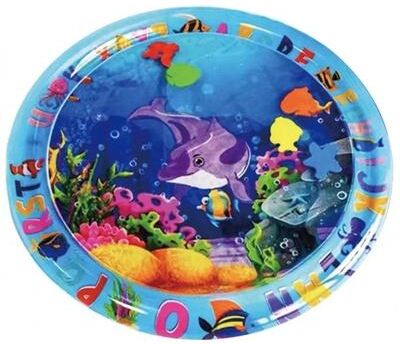
Uplift Essentials Spill Proof Interactive Water Sensory Cat Mat Spill Proof Interactive Water Sensory Cat MatBeat indoor boredom and awaken your cat's natural hunting instincts with a completely messfree aquatic adventure. This premium water sensory cat mat features an innovative doublelayer design that allows you to fill the inner core with water while...56,97 $*Shipping: 0,00 $Secure redirect to the provider
-
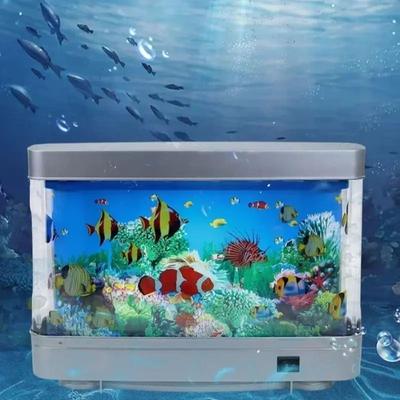
Uplift Essentials Serene Motion Virtual Aquarium Lamp Serene Motion Virtual Aquarium Lamp"Bring the soothing magic of the underwater world to your tabletop with the Serene Motion Virtual Aquarium Lamp. This highdefinition desktop aquarium decorative light uses advanced ""movingpicture"" technology to create a mesmerizing, continuous swim..."82,97 $*Shipping: 0,00 $Secure redirect to the provider
-
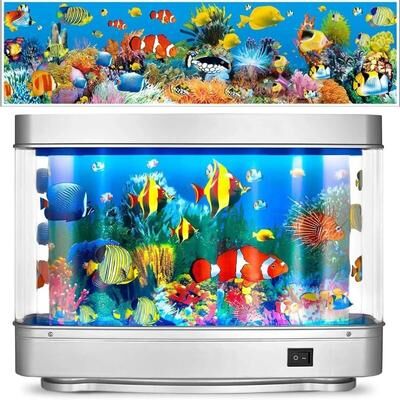
Uplift Essentials Virtual Motion Ocean Aquarium Lamp Virtual Motion Ocean Aquarium Lamp"Experience the tranquil beauty of the deep blue without the maintenance of a real tank with the Virtual Motion Ocean Aquarium Lamp. This creative decorative piece uses highdefinition ""moving picture"" technology to simulate a vibrant tropical reef,..."79,97 $*Shipping: 0,00 $Secure redirect to the provider
-
Inspired Deals Disney Bitzee Digital Pet Carrying Case, Hard Shell Storage Organizer For Interactive Virtual Pets Travel Safe Disney Bitzee Digital Pet Carrying Case, Hard Shell Storage Organizer For Interactive Virtual Pets Travel SafeFall in love with keeping your childs favorite digital companion safe and ready for every adventure. This digital pet storage case is thoughtfully designed for Bitzee and similar interactive toys, giving parents peace of mind and kids the freedom to...39,97 $*Shipping: 0,00 $Secure redirect to the provider


-
How do you create a JPanel with Eclipse?
To create a JPanel with Eclipse, you can follow these steps: 1. Open Eclipse and create a new Java project. 2. Right-click on the src folder in the project explorer and select New -> Class. 3. In the New Java Class dialog, give your class a name and check the box that says "public static void main(String[] args)". 4. Click Finish to create the class. Inside the class, you can create a JPanel object by importing javax.swing.JPanel and instantiating it in the main method. 5. You can then add components to the JPanel and customize its appearance as needed. **
-
What is a background image for a JPanel?
A background image for a JPanel is an image that is displayed behind the components of the JPanel. It can be used to enhance the visual appearance of the panel and create a more immersive user interface. The background image can be set using the setOpaque(false) method to make the panel transparent and then adding the image as the background using the setIcon() method of a JLabel. This allows for customization and personalization of the JPanel to better suit the application's design. **
-
How do I position an image in a JPanel?
To position an image in a JPanel, you can use a layout manager such as BorderLayout, FlowLayout, or GridBagLayout to control the position of the image within the panel. You can also set the preferred size of the image using the setPreferredSize() method and then add the image to the panel using the add() method. Additionally, you can use the setBounds() method to specify the exact position and size of the image within the panel. **
-
What is the purpose of using JPanel in Java?
The purpose of using JPanel in Java is to provide a container for organizing and grouping components within a graphical user interface. It allows for the creation of complex layouts by adding and arranging various components such as buttons, labels, text fields, and other GUI elements. JPanel also enables the creation of custom components and provides a way to manage their appearance and behavior. Overall, JPanel helps in creating a more organized and visually appealing user interface for Java applications. **
How do I change the size and position of the JPanel?
To change the size of a JPanel, you can use the `setSize(int width, int height)` method, where you specify the desired width and height in pixels. To change the position of a JPanel within its container, you can use layout managers like BorderLayout, FlowLayout, GridLayout, etc., or set the location explicitly using `setLocation(int x, int y)` method. You can also use setBounds(int x, int y, int width, int height) to set both the size and position of the JPanel in one go. **
How can one make a presentation engaging and interactive?
One can make a presentation engaging and interactive by incorporating multimedia elements such as videos, images, and interactive graphics to break up the monotony of slides. Additionally, incorporating audience participation through polls, Q&A sessions, and group activities can help keep the audience engaged and involved. Using storytelling and real-life examples can also make the presentation more relatable and interesting for the audience. Finally, incorporating humor and personal anecdotes can help to create a more engaging and interactive atmosphere. **
Top-Angebote
Products related to JPanel:
-
PetsAreLife Interactive Floppy Fish Cat Toy Engaging Fishcat For Active Play BlueDo you find yourself holding a cat holding a fish on camera to capture every adorable moment If so, our Interactive Floppy Fish Cat Toy is perfect for you and your feline friend!Introducing the floppy fish cat toy, designed to keep your cat...24,97 $*Shipping: 0,00 $Secure redirect to the provider
-
Friendly Fresh Finds Interactive Pet Puzzle Feeder For Cats And Dogs Engaging Freeze Dried Treat Dispenser For Pet Enrichment Interactive Pet Puzzle Feeder For Cats And Dogs Engaging Freeze Dried Treat Dispenser For Pet EnrichmentKeep your furry friends entertained and mentally stimulated with this interactive pet puzzle feeder. Perfect for both cats and dogs, this puzzle feeder turns mealtime into a fun, engaging experience. Designed for home use, it encourages your pets to...39,97 $*Shipping: 0,00 $Secure redirect to the provider
-
Uplift Essentials Spill Proof Interactive Water Sensory Cat Mat Spill Proof Interactive Water Sensory Cat MatBeat indoor boredom and awaken your cat's natural hunting instincts with a completely messfree aquatic adventure. This premium water sensory cat mat features an innovative doublelayer design that allows you to fill the inner core with water while...56,97 $*Shipping: 0,00 $Secure redirect to the provider
-
Uplift Essentials Serene Motion Virtual Aquarium Lamp Serene Motion Virtual Aquarium Lamp"Bring the soothing magic of the underwater world to your tabletop with the Serene Motion Virtual Aquarium Lamp. This highdefinition desktop aquarium decorative light uses advanced ""movingpicture"" technology to create a mesmerizing, continuous swim..."82,97 $*Shipping: 0,00 $Secure redirect to the provider
-
How do I update a JPanel?
To update a JPanel, you can call the `repaint()` method on the panel. This will schedule a call to the panel's `paintComponent()` method, which will then redraw the panel. If you need to update the contents of the panel, you can modify the data that the panel uses to render itself, and then call `repaint()` to trigger a redraw. Additionally, you can also call `revalidate()` on the panel if you have added or removed components from it, to ensure that the layout is updated correctly. **
-
What is JPanel used for in Java?
JPanel is a Swing component in Java that is used to group and organize other components, such as buttons, labels, text fields, etc., within a container. It provides a way to manage the layout of these components and customize their appearance. JPanel is commonly used to create panels or sections within a graphical user interface, allowing for better organization and structure of the user interface components. **
-
How do you create a JPanel with Eclipse?
To create a JPanel with Eclipse, you can follow these steps: 1. Open Eclipse and create a new Java project. 2. Right-click on the src folder in the project explorer and select New -> Class. 3. In the New Java Class dialog, give your class a name and check the box that says "public static void main(String[] args)". 4. Click Finish to create the class. Inside the class, you can create a JPanel object by importing javax.swing.JPanel and instantiating it in the main method. 5. You can then add components to the JPanel and customize its appearance as needed. **
-
What is a background image for a JPanel?
A background image for a JPanel is an image that is displayed behind the components of the JPanel. It can be used to enhance the visual appearance of the panel and create a more immersive user interface. The background image can be set using the setOpaque(false) method to make the panel transparent and then adding the image as the background using the setIcon() method of a JLabel. This allows for customization and personalization of the JPanel to better suit the application's design. **
Similar search terms for JPanel
-
Uplift Essentials Virtual Motion Ocean Aquarium Lamp Virtual Motion Ocean Aquarium Lamp"Experience the tranquil beauty of the deep blue without the maintenance of a real tank with the Virtual Motion Ocean Aquarium Lamp. This creative decorative piece uses highdefinition ""moving picture"" technology to simulate a vibrant tropical reef,..."79,97 $*Shipping: 0,00 $Secure redirect to the provider
-
Inspired Deals Disney Bitzee Digital Pet Carrying Case, Hard Shell Storage Organizer For Interactive Virtual Pets Travel Safe Disney Bitzee Digital Pet Carrying Case, Hard Shell Storage Organizer For Interactive Virtual Pets Travel SafeFall in love with keeping your childs favorite digital companion safe and ready for every adventure. This digital pet storage case is thoughtfully designed for Bitzee and similar interactive toys, giving parents peace of mind and kids the freedom to...39,97 $*Shipping: 0,00 $Secure redirect to the provider
-
Inspired Finds Interactive Floating Fish Water Sensory Play Mat For Cats sensory MatTurn ordinary playtime into a captivating sensory adventure for your pet. This interactive cat mat features a waterfilled design with floating fish elements that move and shift as your cat paws, presses, and explores the surface. The engaging motion...34,99 $*Shipping: 0,00 $Secure redirect to the provider
-
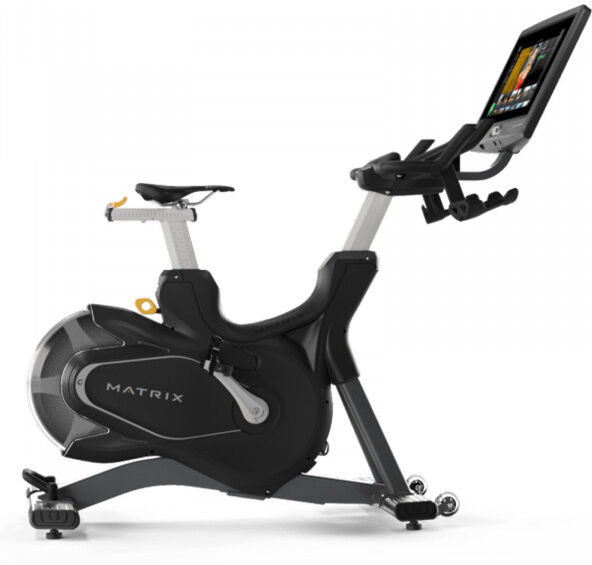
Matrix Virtual Training Cycle CXVTHE MATRIX VIRTUAL TRAINING CYCLE The Matrix Virtual Training Cycle is the purpose built bike for your cardio zone. Whether gym members are challenging themselves with exclusive workouts, enjoying streaming entertainment or taking on an immersive group class, the Virtual Training Cycle will...4794,00 £*Shipping: 0,00 £Secure redirect to the provider
-
How do I position an image in a JPanel?
To position an image in a JPanel, you can use a layout manager such as BorderLayout, FlowLayout, or GridBagLayout to control the position of the image within the panel. You can also set the preferred size of the image using the setPreferredSize() method and then add the image to the panel using the add() method. Additionally, you can use the setBounds() method to specify the exact position and size of the image within the panel. **
-
What is the purpose of using JPanel in Java?
The purpose of using JPanel in Java is to provide a container for organizing and grouping components within a graphical user interface. It allows for the creation of complex layouts by adding and arranging various components such as buttons, labels, text fields, and other GUI elements. JPanel also enables the creation of custom components and provides a way to manage their appearance and behavior. Overall, JPanel helps in creating a more organized and visually appealing user interface for Java applications. **
-
How do I change the size and position of the JPanel?
To change the size of a JPanel, you can use the `setSize(int width, int height)` method, where you specify the desired width and height in pixels. To change the position of a JPanel within its container, you can use layout managers like BorderLayout, FlowLayout, GridLayout, etc., or set the location explicitly using `setLocation(int x, int y)` method. You can also use setBounds(int x, int y, int width, int height) to set both the size and position of the JPanel in one go. **
-
How can one make a presentation engaging and interactive?
One can make a presentation engaging and interactive by incorporating multimedia elements such as videos, images, and interactive graphics to break up the monotony of slides. Additionally, incorporating audience participation through polls, Q&A sessions, and group activities can help keep the audience engaged and involved. Using storytelling and real-life examples can also make the presentation more relatable and interesting for the audience. Finally, incorporating humor and personal anecdotes can help to create a more engaging and interactive atmosphere. **
* All prices are inclusive of VAT and, if applicable, plus shipping costs. The offer information is based on the details provided by the respective shop and is updated through automated processes. Real-time updates do not occur, so deviations can occur in individual cases. ** Note: Parts of this content were created by AI.