Buy immersio.eu ?
We are moving the project
immersio.eu .
Are you interested in purchasing the domain
immersio.eu ?
domain@kv-gmbh.de · 0541-91531010
Buy immersio.eu ?
Can the direct current cross-section be distributed across multiple cables?
Yes, direct current can be distributed across multiple cables. By connecting multiple cables in parallel, the total current can be divided among the cables, allowing for the distribution of the direct current across them. This method is commonly used in electrical systems to ensure that the current is evenly distributed and to prevent overloading of individual cables. **
How do I determine the polarity of cables in direct current?
To determine the polarity of cables in direct current, you can use a multimeter set to the DC voltage setting. Connect the red probe to the positive terminal of the cable and the black probe to the negative terminal. If the multimeter shows a positive reading, then the red probe is connected to the positive terminal. If the reading is negative, then the red probe is connected to the negative terminal. This method helps you identify the polarity of the cables accurately. **

Similar search terms for Cables-Direct-SVGA-HD15
Top-Angebote
Products related to Cables-Direct-SVGA-HD15:
-
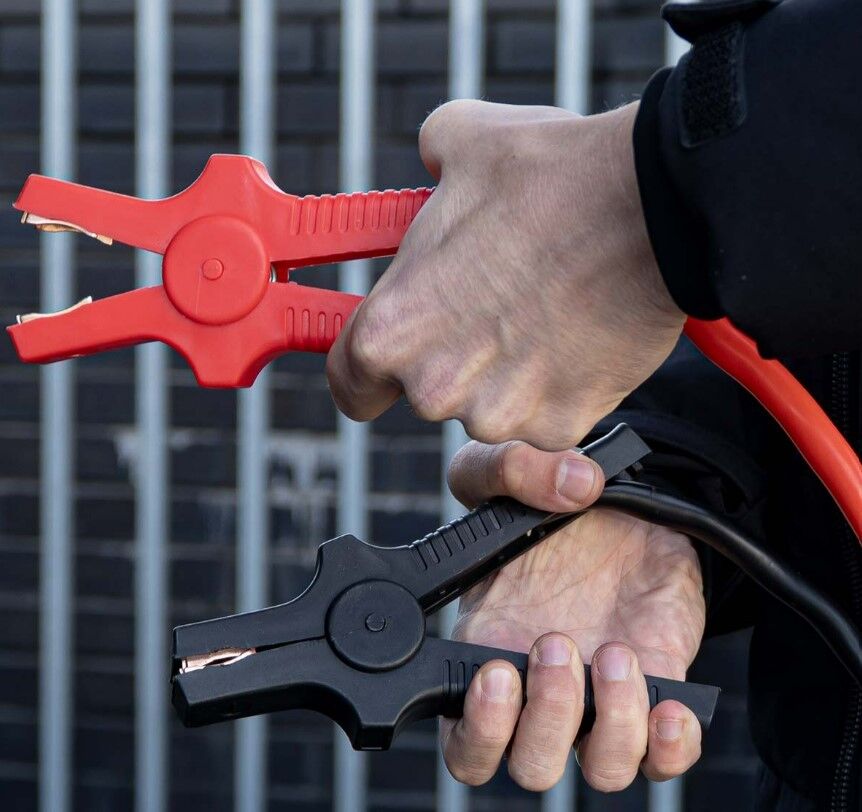
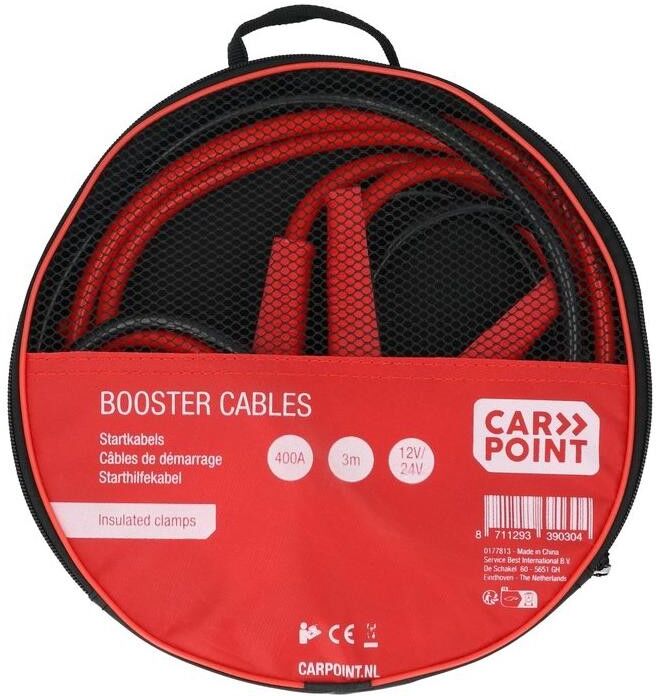
CARPOINT 0177935 Jumper cablesColour: red, black; Cable Length [m]: 3.5; Cross Section [mm²]: 16; Voltage from [V]: 12; Voltage to [V]: 24; Current Strength to [A]: 600; Material: Aluminium, Copper, PVC; Thickness: 35; Supplementary Article / Supplementary Info Info 2: with storage bag, with overvoltage protection; Insulated: +; suited for engine type: Diesel, Petrol Engine48,99 £*Shipping: 8,45 £Secure redirect to the provider
-
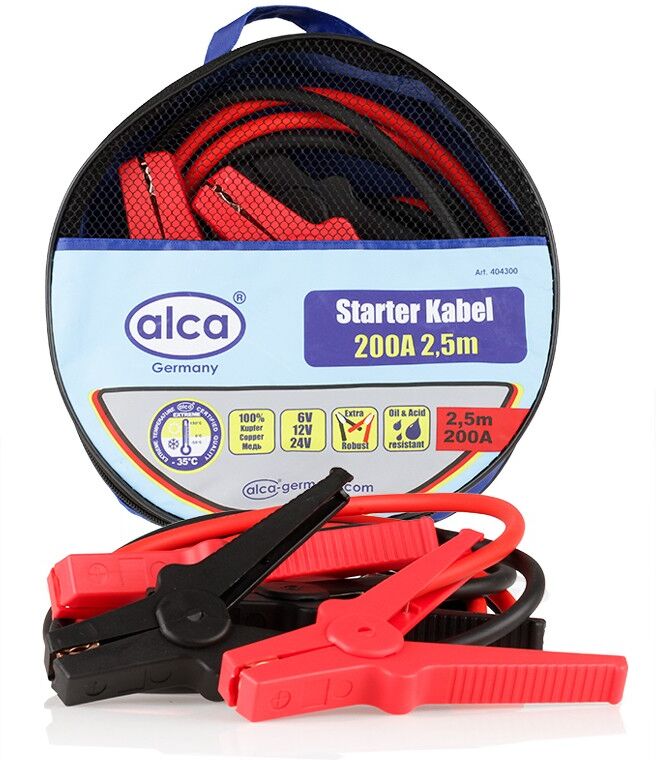
ALCA 404300 Jumper cablesMaterial: Copper; Insulated: ; Supplementary Article / Supplementary Info Info 2: with storage bag, with overvoltage protection; Current Strength to [A]: 200; Voltage [V]: 6, 12, 24; Weight [kg]: 1.2; Version: M; resistant to: Oil; Vehicle type: Passenger cars, Motorcycle, Trucks; Length [m]: 2.5; suited for engine type: Petrol Engine18,49 £*Shipping: 8,45 £Secure redirect to the provider

-
Do you need thicker cables for direct current than for alternating current?
No, you do not necessarily need thicker cables for direct current (DC) than for alternating current (AC). The current-carrying capacity of a cable is determined by factors such as the material, size, and insulation of the cable, as well as the voltage and current being carried. Both DC and AC have their own unique considerations when it comes to cable sizing, but the need for thicker cables is not inherently tied to the type of current being carried. It ultimately depends on the specific requirements of the electrical system and the application. **
-
How does the stress on cables differ between direct current and alternating current?
In direct current (DC) systems, the stress on cables is relatively constant because the current flows in one direction continuously. This results in a steady and predictable stress level on the cables. On the other hand, in alternating current (AC) systems, the stress on cables fluctuates as the current changes direction periodically. This can lead to higher stress levels on the cables, especially during peak currents, which may require cables to be designed to withstand these fluctuations. **
-
Why does the voltage tester light up on both cables in direct current?
The voltage tester lights up on both cables in direct current because in a direct current circuit, the flow of electric charge is unidirectional. This means that the current flows from the positive terminal to the negative terminal of the power source. When the voltage tester is connected to the cables, it detects the presence of electric potential difference between the two points, causing the light to illuminate on both cables. This indicates that there is a voltage present in the circuit, regardless of the direction of the current flow. **
-
Does VirtualBox have a direct VPN connection for virtual machines?
VirtualBox does not have a built-in feature for direct VPN connections for virtual machines. However, you can set up a VPN connection on the host machine and then configure the virtual machine to use the host's VPN connection. This way, the virtual machine will be able to access the internet through the VPN connection established on the host machine. **

What is the difference between copper cables, twisted-pair cables, fiber optic cables, and coaxial cables?
Copper cables are made of copper wire and are commonly used for transmitting electrical signals. Twisted-pair cables consist of pairs of insulated copper wires twisted together, which helps reduce electromagnetic interference. Fiber optic cables use thin strands of glass or plastic to transmit data using light pulses, allowing for high-speed and long-distance transmission. Coaxial cables have a central conductor surrounded by an insulating layer, a conductive shield, and an outer insulating layer, and are commonly used for cable television and internet connections. Each type of cable has its own advantages and is used for different purposes based on their unique characteristics. **
Why do RCA cables have two cables?
RCA cables have two cables, one for the left audio channel and one for the right audio channel. This allows for stereo sound to be transmitted from one device to another. By having separate cables for each channel, RCA cables can maintain the integrity of the stereo signal and provide a better audio experience. **
Top-Angebote
Products related to Cables-Direct-SVGA-HD15:
-
CARPOINT 0177935 Jumper cablesColour: red, black; Cable Length [m]: 3.5; Cross Section [mm²]: 16; Voltage from [V]: 12; Voltage to [V]: 24; Current Strength to [A]: 600; Material: Aluminium, Copper, PVC; Thickness: 35; Supplementary Article / Supplementary Info Info 2: with storage bag, with overvoltage protection; Insulated: +; suited for engine type: Diesel, Petrol Engine48,99 £*Shipping: 8,45 £Secure redirect to the provider
-
Can the direct current cross-section be distributed across multiple cables?
Yes, direct current can be distributed across multiple cables. By connecting multiple cables in parallel, the total current can be divided among the cables, allowing for the distribution of the direct current across them. This method is commonly used in electrical systems to ensure that the current is evenly distributed and to prevent overloading of individual cables. **
-
How do I determine the polarity of cables in direct current?
To determine the polarity of cables in direct current, you can use a multimeter set to the DC voltage setting. Connect the red probe to the positive terminal of the cable and the black probe to the negative terminal. If the multimeter shows a positive reading, then the red probe is connected to the positive terminal. If the reading is negative, then the red probe is connected to the negative terminal. This method helps you identify the polarity of the cables accurately. **
-
Do you need thicker cables for direct current than for alternating current?
No, you do not necessarily need thicker cables for direct current (DC) than for alternating current (AC). The current-carrying capacity of a cable is determined by factors such as the material, size, and insulation of the cable, as well as the voltage and current being carried. Both DC and AC have their own unique considerations when it comes to cable sizing, but the need for thicker cables is not inherently tied to the type of current being carried. It ultimately depends on the specific requirements of the electrical system and the application. **
-
How does the stress on cables differ between direct current and alternating current?
In direct current (DC) systems, the stress on cables is relatively constant because the current flows in one direction continuously. This results in a steady and predictable stress level on the cables. On the other hand, in alternating current (AC) systems, the stress on cables fluctuates as the current changes direction periodically. This can lead to higher stress levels on the cables, especially during peak currents, which may require cables to be designed to withstand these fluctuations. **
Similar search terms for Cables-Direct-SVGA-HD15
-
ALCA 404300 Jumper cablesMaterial: Copper; Insulated: ; Supplementary Article / Supplementary Info Info 2: with storage bag, with overvoltage protection; Current Strength to [A]: 200; Voltage [V]: 6, 12, 24; Weight [kg]: 1.2; Version: M; resistant to: Oil; Vehicle type: Passenger cars, Motorcycle, Trucks; Length [m]: 2.5; suited for engine type: Petrol Engine18,49 £*Shipping: 8,45 £Secure redirect to the provider
-
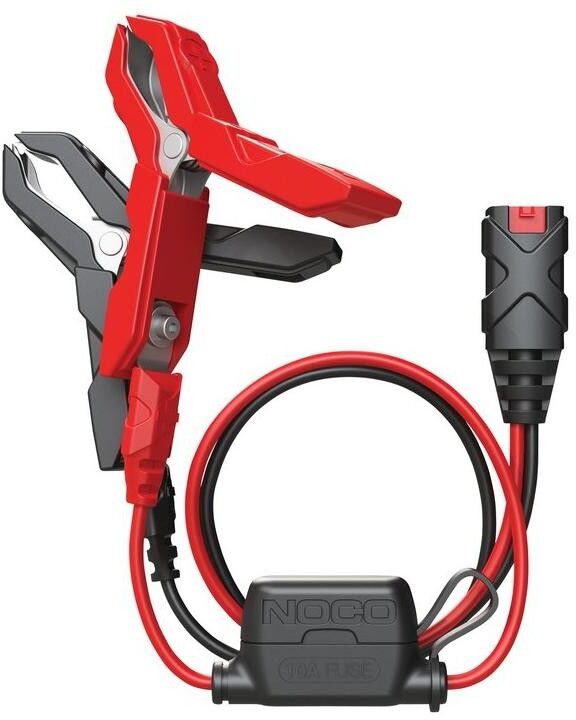
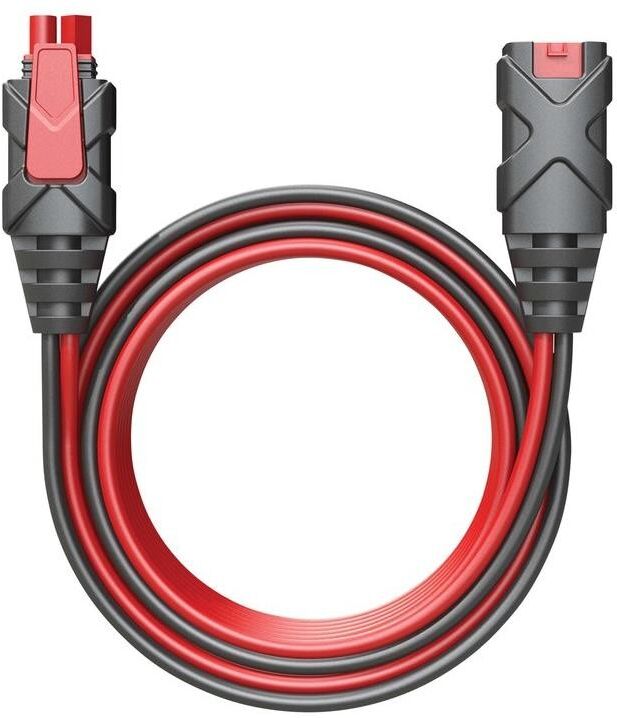
NOCO GBC010 Jumper cablesVersion: Accessory Kit; Quantity: 1; for starter battery voltage (DC) [V]: 12; Product line: GBC010; Length [cm]: 61; Length incl. plug [cm]: 78.8; Supplementary Article / Supplementary Info Info 2: with cigarette lighter plug; Registration Type: FCC approved; Adapter enclosed: XGC Female 12V; Manufacturer Restriction: for GB70 GB150 GB25028,49 £*Shipping: 8,45 £Secure redirect to the provider
-
Why does the voltage tester light up on both cables in direct current?
The voltage tester lights up on both cables in direct current because in a direct current circuit, the flow of electric charge is unidirectional. This means that the current flows from the positive terminal to the negative terminal of the power source. When the voltage tester is connected to the cables, it detects the presence of electric potential difference between the two points, causing the light to illuminate on both cables. This indicates that there is a voltage present in the circuit, regardless of the direction of the current flow. **
-
Does VirtualBox have a direct VPN connection for virtual machines?
VirtualBox does not have a built-in feature for direct VPN connections for virtual machines. However, you can set up a VPN connection on the host machine and then configure the virtual machine to use the host's VPN connection. This way, the virtual machine will be able to access the internet through the VPN connection established on the host machine. **
-
What is the difference between copper cables, twisted-pair cables, fiber optic cables, and coaxial cables?
Copper cables are made of copper wire and are commonly used for transmitting electrical signals. Twisted-pair cables consist of pairs of insulated copper wires twisted together, which helps reduce electromagnetic interference. Fiber optic cables use thin strands of glass or plastic to transmit data using light pulses, allowing for high-speed and long-distance transmission. Coaxial cables have a central conductor surrounded by an insulating layer, a conductive shield, and an outer insulating layer, and are commonly used for cable television and internet connections. Each type of cable has its own advantages and is used for different purposes based on their unique characteristics. **
-
Why do RCA cables have two cables?
RCA cables have two cables, one for the left audio channel and one for the right audio channel. This allows for stereo sound to be transmitted from one device to another. By having separate cables for each channel, RCA cables can maintain the integrity of the stereo signal and provide a better audio experience. **
* All prices are inclusive of VAT and, if applicable, plus shipping costs. The offer information is based on the details provided by the respective shop and is updated through automated processes. Real-time updates do not occur, so deviations can occur in individual cases. ** Note: Parts of this content were created by AI.